 EN
EN

Solar Inverters and Hybrid Inverters are critical equipment for firms who seek to use solar energy. They do the work of turning sunlight into electricity companies can use. Explaining the differences between the two types of inverters can assist B2B buyers in making better decisions for their businesses. PUFA is here to assist you with these differences so you can learn and decide whether the best option may be for your needs.
What’s the Difference Between Solar Inverters vs Hybrid Inverters for B2B Buyers?
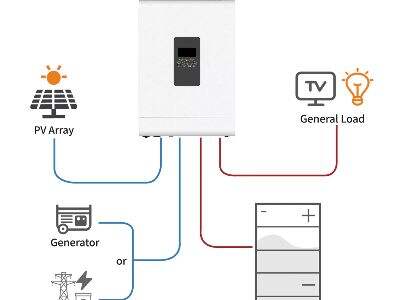
Solar inverters convert the direct current (DC) energy generated by solar panels into alternating current (AC). This alternating current energy is the kind that powers most businesses’ day-to-day activities. Hybrid inverters, on the other hand, can accomplish even more. They do not just convert energy from solar panels; they also manage energy coming in from batteries and the grid. In other words, hybrid inverters can take surplus energy from the solar panels during the day and store it to be used at another point in time — even after the sun goes down. Businesses just might savor this because it can save them money by using stored energy when electricity prices are at their peak.
Another key difference is how these inverters cope with power outages. The average solar inverter oem fails when the power is cut. This is a safety feature. Hybrid inverters, however, can still provide electricity during blackouts if they have a battery. That allows businesses to stay in business even when the power goes down, which is critical for many operations. For example, you might need to keep refrigerators working in a restaurant or use a hybrid inverter.
Which One Should You Choose Between Solar And Hybrid Inverters For Your Business Purposes?
Sifting and sorting through the multitude of inverter options for your business can be a daunting task, but it doesn’t have to be. The first thing you should consider is your energy. A hybrid solar inverter customize could be the better choice for you if you’re running an energy-hungry business and are looking to save money on electricity bills. (And it allows you to sock away energy for use later.) That can be especially useful during peak hour times when electricity prices are at a premium. For instance, a factory that operates round the clock could save a lot on its electricity bill from hybrid inverter.
Solar Inverters vs Hybrid Inverters: What's the difference?
This is ideal for businesses that wish to access solar power even when the sun isn’t shining — after dark or on cloudy days. The hybrid inverter is able to toggle between drawing power from the grid, solar panels or batteries, as needed and depending on what is available. This flexibility can enable businesses to save money on power and rely less on the grid. So, when making a decision on a solar inverter service vs hybrid inverter, the main consideration will be how you intend to use your business’s solar energy. For just converting solar energy into electricity, a solar inverter will more than suffice. But if you want to hold onto that energy to use later, a hybrid inverter is the better option.
4 Ways to Choose the Correct Inverter for Your Commercial Solar Project
One of the most important factors when evaluating commercial solar project is selecting the best type of inverter. The first thing to think about: How much energy does your business consume? If you run a business during the daytime and want to start using solar power immediately, then perhaps only a solar inverter is what you should be looking for. But if your company uses a lot of energy in the evenings or on overcast days, a hybrid inverter might be best. This is due to the fact that hybrid inverters are able to charge batteries and can then use the stored energy when required. Next, think about your budget.
Table of Contents
- What’s the Difference Between Solar Inverters vs Hybrid Inverters for B2B Buyers?
- Which One Should You Choose Between Solar And Hybrid Inverters For Your Business Purposes?
- Solar Inverters vs Hybrid Inverters: What's the difference?
- 4 Ways to Choose the Correct Inverter for Your Commercial Solar Project