 EN
EN

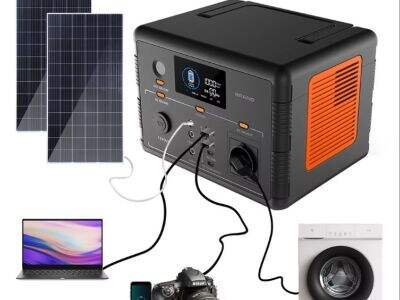
Large sun-powered generators are becoming more crucial, especially for telecom towers in Asia. These towers support the way people communicate via calls, texts and the internet. Telecom towers often require significant amounts of energy, and using solar may help. Solar generators offer a consistent source of clean, renewable energy. PUFA is one of the major players in this domain which fabricates solar generator service, which are most reliable for telecom towers. Telecom companies can save money, and have a smaller carbon footprint, by using high-capacity solar generators. It makes the world a nicer place and it keeps minds open.
What is high-capacity Solar system for Telecom towers?
Large disposable high-battery solar generators are a unique class of equipment which are able to take sunlight and convert it into electrical power. They are bigger and more powerful than typical solar panels, so they can produce more energy. Telecom towers consume a lot of power, particularly in remote regions that may not be connected to the electrical grid as standard. Here is where high-capacity solar generators come to the rescue. They can capture energy and release it as they see fit. Stored energy, for example, can be used during cloudy days or at night to keep the telecom tower running well. These solar generators for sale from PUFA have been developed especially for the needs of telecom towers. It is not just about having power; it is also a matter of reliability. People can’t communicate if a telecom tower goes down due to a power failure, and that can be disastrous. Solar generators of high capacity contribute to keeping the towers up and running. They are also durable and can stand up to all kinds of weather, from heavy rain to intense heat. That makes them ideal for Asia, where the climate can shift on a dime. Furthermore, selling electricity back to the grid can also lessen telecom operators' reliance on withdrawing energy from fossil fuels which can prove environmentally hazardous. This transition to solar is not only smart, it’s the only way forward for a sustainable future.
Where to Purchase Wholesale High-Capacity Portable Solar Generators in Asia?
You can even source wholesale high-capacity solar generators in Asia. Plenty of suppliers and manufacturers are eager to assist, including PUFA. They sell products to businesses directly at a discount. You can begin by researching online for solar energy services companies. Websites that link buyers and sellers can be helpful. These sites generally have a roster of manufacturers and suppliers, so you can easily compare products and prices. Trade shows and energy expos are other lovely places win which you can find high-capacity solar generator solutions. These gatherings give you the opportunity to get up close and personal with the products and the experts who produce them. And quite often you can pick up special deals at these shows. Or you may be able to contact local suppliers that specialize in selling renewable energy. They understand the market and can help you get the best deals. You are in good company if you want to step into a new category of professional; however, you may not hear such favorable news about the best solar generators if your fellow power workers and networking contacts haven’t had enough time specifically looking for them. There’s a lot of sharing in the profession, so you can count on recommendations from trusted suppliers. Asia’s appetite for clean energy is increasingly in evidence, with a number of companies prepared to work with businesses that want solar options. Thanks to the quality of its products and service, PUFA has constructed a high-capacity solar generator suited for your needs.
Optimising with Solar Power for Telecom Operations
Using solar power could be an effective strategy for keeping the telecom towers running smoothly, particularly in Asia, where sunshine is plentiful. Maximizing the use of solar energy requires careful planning on the part of telecom companies when it comes to setting up their solar systems. But the first thing to do is select the solar panels that will provide power for your home. Better panels can capture more sunlight and convert it to electricity. PUFA provides the solar panels are engineered to perform under extreme temperatures and low light conditions, so there is no need of worry.
Make sure to clean panels periodically once they are installed. Dust, debris and leaves can shade cells from the sun and decrease energy output. By keeping the panels clean, that’s going to make sure they are always working at optimum levels. Finally, where you put panels is also important. They should be placed where they receive the most sunlight, free of shadowing from buildings or trees.
You can also make the solar power more efficient by having it store the energy in solar batteries. That’s a plus for telecom towers because they must keep working when the sun isn’t shining. PUFA supplies high-capacity solar batteries, enough to ensure telecom operations remain up and running throughout day and night. With the adoption of these batteries, corporations can ensure they have a constant flow of power to prevent any downtime that might impact their offering.
It can also be useful to see how much power is being consumed. By monitoring energy consumption, owners may be able to tell if the solar system is working well or needs adjusting. Smart technology can be useful in this. For instance, controllers can help manage the energy to minimize consumption for example, to make sure telecom equipment gets exactly the power it needs. Together, all these strategies enable telecom companies in Asia to harness solar power and maximize its potential value, while keeping their business up and running.
Typical Use Problems of Solar Generators in Telecom Industry
Solar generators are excellent for telecom towers, but there are some difficulties. One of the most common problems is that the solar energy relies on weather. Solar panels can fail to generate power on cloudy or rainy days. This can be problematic for telecom companies, which require a consistent supply of energy. To compensate for this, companies frequently use backup generators that are fueled by diesel or gas. This can be helpful, but it can also raise costs and lead to pollution.
There’s also the matter of bulk and weight with solar panels and batteries. Telecom towers are typically constructed in remote locations, with limited space. Occasionally, the towers are too tight to accommodate larger solar systems. Here, systems such as PUFA’s light weight and low volume solar solutions can come in handy. They are small enough to fit in tight areas such as utility rooms and still deliver Strength.
Maintenance is another issue. Solar panels, batteries and other infrastructure require regular checks that they are working properly. They can cause power outages if they break or decline in efficiency. It can be a struggle to train staff to do repairs. Training workers can be expensive, so some firms cut corners and have employees use equipment that is damaged or not maintained. That could result in added downtime and expense ultimately.
Lastly, there may be high upfront costs for the installation of a solar system. While solar power could save money in the long run, a cost up front can be an obstacle for some telecom companies. PUFA recognizes these difficulties, and that is why they provide flexible packages to enable businesses to be able to get rolling with solar energy without their budgets taking too much of a hit. Telecom companies are able to avoid these issues and derive more value from solar generators in providing consistent service.
What Are the Newest Advancements in High-Capacity Solar Generators?
The tech world is fluid and solar generators are no different. New advancements in high capacity solar generators are improving efficiency and convenience. And much of that will be due to more sophisticated solar panels that can collect more sunlight. These panels can be built with special materials that enable them to work more efficiently in lower light conditions, which is great for telecom systems that require power even when it’s gloomy.
Another development is smart technology to regulate how energy is used. Intelligent inverters are capable of tuning the power output on the fly according to how much power is required at any time. That means that when, for example, a telecom tower requires additional power for a short period of time, the inverter could provide it without drawing and wasting energy. PUFA is leading the technology and serving as the principle engineer to incorporate these advances into their solar generators.
Battery technology is also improving. New types of batteries could store more energy and last longer. For energy-hungry telecom towers that need backup when the sun isn’t shining. Some of these batteries even are being designed to charge quickly, which can be useful in scenarios that demand a rapid supply of energy. PUFA provides high capacity batteries developed specifically for the telecom industry.
Plus, there are now smarter ways to install solar. For instance, some businesses are using drones to assist with installation and maintenance. Drones can rapidly appraise the state of solar panels and diagnose problems without having to put workers up on top of towers. This is time saving and decreases the risks.
Lastly, hybridization of solar plants with other sources of energy is increasing. A number of telecom companies are also pairing solar power with wind energy or with conventional generators. This combination of technologies can deliver a more predictable energy supply and guarantee businesses have access to power 24/7. Keeping pace with these developments will allow Asia’s telecom companies to position themselves as using the most advanced technology in order to run their operations.
Table of Contents
- What is high-capacity Solar system for Telecom towers?
- Where to Purchase Wholesale High-Capacity Portable Solar Generators in Asia?
- Optimising with Solar Power for Telecom Operations
- Typical Use Problems of Solar Generators in Telecom Industry
- What Are the Newest Advancements in High-Capacity Solar Generators?